

 Language
 English
  中文简体
中文简体  日本語
日本語  русский
  Español
  عربى
عربى 
Aug, 25, 2026
How Do You Choose the Right Minimal Buoyancy Aid Vest?
Understanding What a Minimal Buoyancy Aid Vest Is
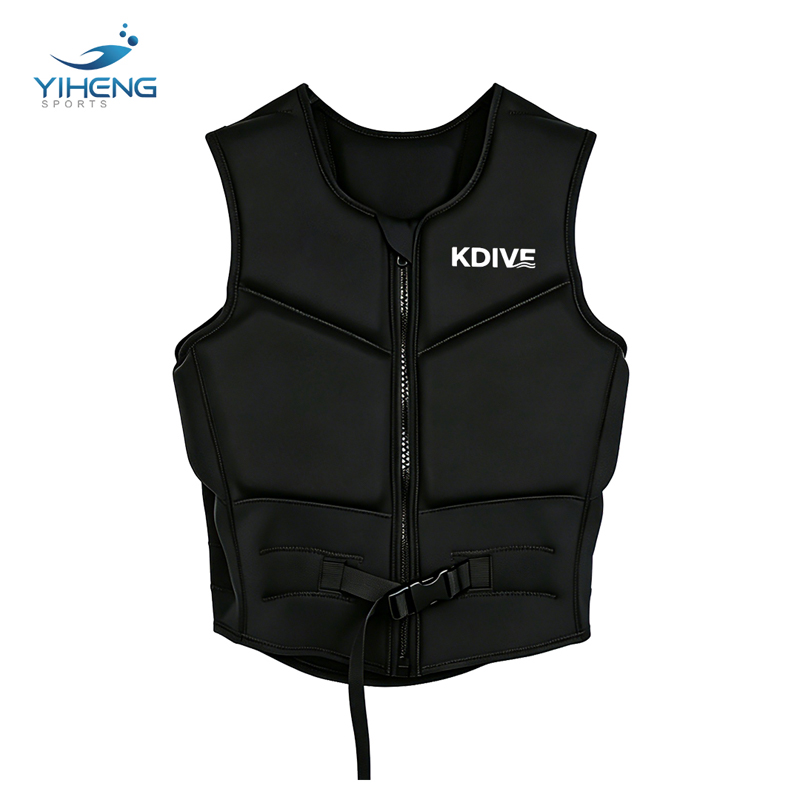
A minimal buoyancy aid vest is a low-profile personal flotation device designed to give the wearer enough lift to stay afloat while allowing full freedom of movement. Unlike bulky offshore life jackets, minimal buoyancy aids are built with thinner foam panels, streamlined cuts, and lighter fabrics, making them the preferred choice for paddlers, kayakers, dinghy sailors, stand-up paddleboarders, and watersports instructors who need to move their arms and torso without restriction. Choosing the right one is not just about picking a color like black; it requires understanding buoyancy ratings, fit, material quality, and the specific water activity the vest will be used for.
Why Buoyancy Rating Matters Most
Every buoyancy aid is rated in newtons, which measures how much lift the vest provides in water. This is the single most important factor when selecting a vest, because it determines whether the product is suitable for calm inland waters or more demanding open-water conditions. A minimal buoyancy aid typically falls in the 50N range, which is designed for competent swimmers who are close to shore or rescue and engaged in active sports where mobility matters more than maximum flotation.
Matching Newton Rating to Activity
Buyers should never assume that a lower buoyancy rating is a downgrade. It is a deliberate trade-off. Racing kayakers, dragon boat paddlers, and SUP instructors often prefer a 50N vest because it reduces drag and allows unrestricted paddling technique, while sailors heading into rougher offshore conditions typically require a higher-rated jacket instead of a minimal aid.
| Activity | Recommended Buoyancy | Ideal Vest Type |
| Kayaking / Canoeing | 50N | Minimal Buoyancy Aid |
| Stand-Up Paddleboarding | 50N | Minimal Buoyancy Aid |
| Dinghy Sailing | 50N | Minimal Buoyancy Aid |
| Offshore Sailing | 100N–150N | Life Jacket, not minimal aid |
Getting the Fit Right
A buoyancy aid only works if it stays in place during a fall into water. A vest that is too loose will ride up over the wearer's head, while one that is too tight restricts breathing and paddling motion. Fit should always be checked with the vest fully zipped or buckled and all straps tightened, then tested by raising both arms overhead to confirm the hem does not lift excessively.
Sizing by Chest Measurement
Most manufacturers size buoyancy aids by chest circumference rather than standard clothing sizes. Buyers should measure around the fullest part of the chest and compare against the brand's size chart rather than guessing based on shirt size, since foam panel vests fit differently than fabric jackets.
- Measure chest circumference at its widest point while wearing normal paddling clothing
- Check that side straps or waist belts can be tightened at least two inches beyond the resting fit
- Confirm shoulder straps do not dig into the neck when the arms are raised
- Test the vest sitting down, as paddlers spend most of their time seated
Evaluating Material and Construction Quality
The outer shell fabric, foam panel design, and stitching quality determine how long a buoyancy aid lasts and how comfortable it remains over repeated use. Ripstop nylon or polyester shells resist abrasion from boat decks and paddle contact, while segmented foam panels flex with the body instead of forming a rigid block across the torso.
Panel Design and Flexibility
Vests built with multiple smaller foam segments rather than one solid block tend to move more naturally with paddling strokes and reduce chafing under the arms. Buyers should look closely at how the panels are arranged around the shoulders and lower back, since these are the areas most prone to rubbing during extended sessions.
Zippers, Buckles, and Stitching
Corrosion-resistant zippers and reinforced buckle attachment points matter significantly in saltwater environments. Double-stitched seams around high-stress areas such as the shoulder straps and side buckles indicate a vest built for repeated, heavy use rather than occasional recreational paddling.
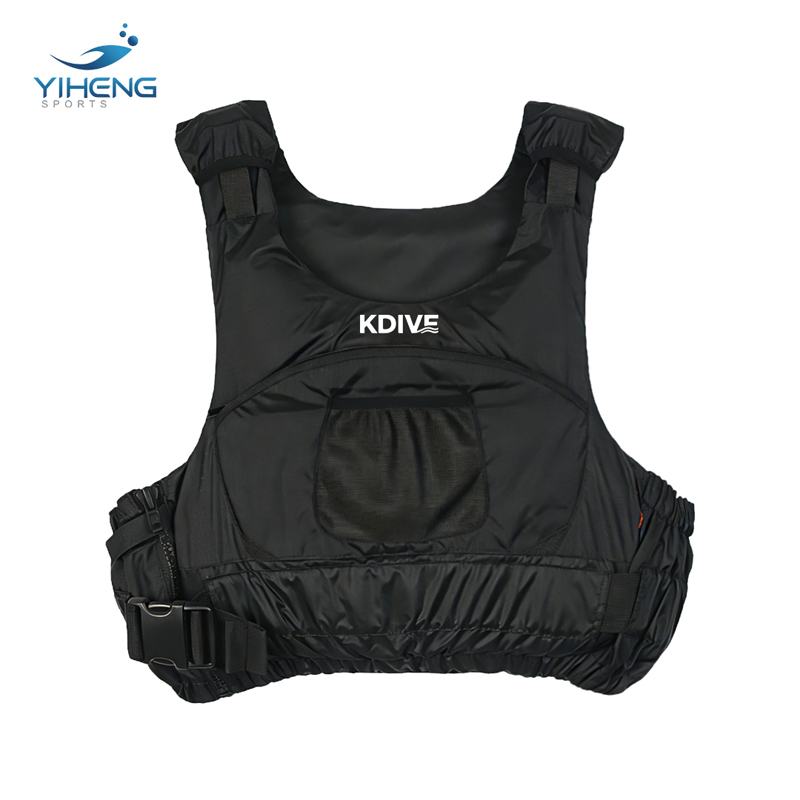
Why the Black Colorway Is a Practical Choice
While buoyancy aids are often sold in bright colors for visibility, a black vest remains a popular option for instructors, rental fleets, and users who want a versatile, low-maintenance look that pairs well with any paddling gear. Black shells also tend to show less staining from sunscreen, dirt, and prolonged UV exposure compared to lighter colors, which keeps the vest looking presentable for longer.
For users concerned about visibility in open water, pairing a black vest with reflective strips or a brightly colored paddling top is a practical workaround that keeps the safety benefit without sacrificing the clean, professional appearance that black provides.
Additional Features Worth Checking
Beyond core buoyancy and fit, several smaller features can significantly affect day-to-day comfort and usefulness on the water.
- Front pockets for storing a whistle, small tools, or a phone in a dry pouch
- Mesh back panels for compatibility with kayak seats and backrests
- Adjustable shoulder straps for layering over wetsuits in colder months
- Quick-release side buckles for faster on and off between sessions
Maintaining Your Buoyancy Aid for Longevity
Proper care extends both the lifespan and the safety performance of a buoyancy aid. Foam panels can lose flotation capacity over time if exposed to prolonged heat, compression, or chemical damage, so storage and cleaning habits matter as much as the initial purchase decision.
Cleaning and Storage Tips
Rinse the vest in fresh water after every saltwater session to prevent salt crystal buildup in the fabric and zippers. Always air dry away from direct sunlight or heat sources, and store the vest flat or on a wide hanger rather than folded, which helps the foam panels retain their original shape and buoyancy performance.
Making the Final Decision
Choosing a minimal buoyancy aid vest in black comes down to matching the newton rating to the intended activity, confirming a snug and secure fit through chest measurement and range-of-motion testing, and evaluating shell material and panel construction for durability. Once these fundamentals are covered, the black colorway offers a clean, practical, and low-maintenance option that suits instructors, rental operations, and individual paddlers alike without compromising on safety or performance.
LET’S DEVELOP YOUR NEXT NEOPRENE PRODUCT LINE
Quick Links
Product Categories
Contact Us
-
 Email: postmaster@yihengsport.com
-
 Mobile: +86-13564100539
-
 No. 480 Jiangping Road, Madian, Binjiang Town, Taixing City, Taizhou City, Jiangsu Province, China.
Copyright © Jiangsu Yiheng Sports Products Co., Ltd. All Rights Reserved
China Wetsuit Manufacturer Neoprene Fabric Manufacturer
