

 Language
 English
  中文简体
中文简体  日本語
日本語  русский
  Español
  عربى
عربى 
Aug, 25, 2026
What Is the Function of a Full Coverage Hood with Shoulder Bib?
What a Full Coverage Hood with Shoulder Bib Actually Does
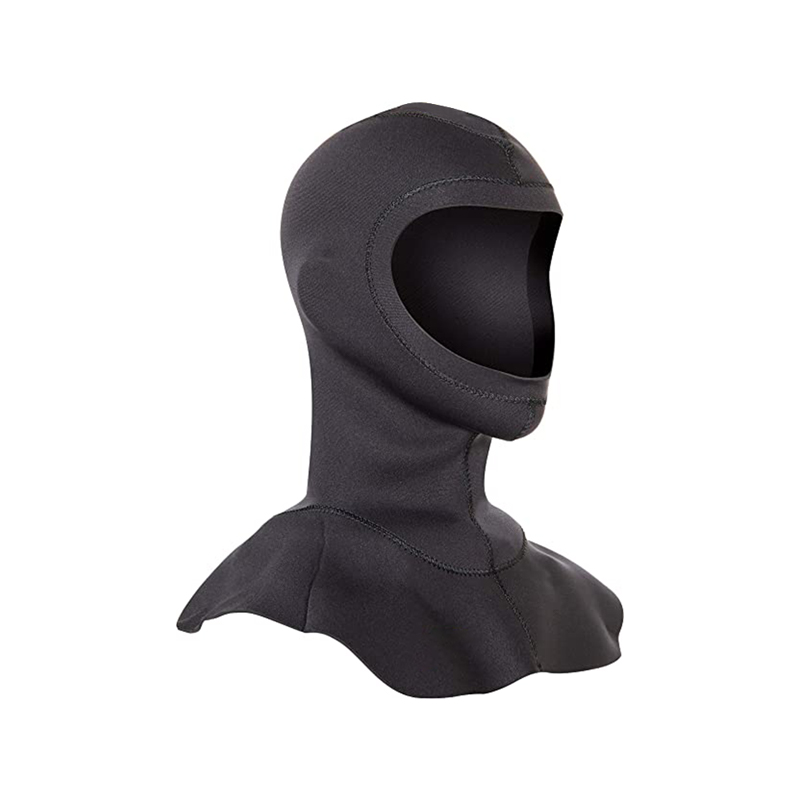
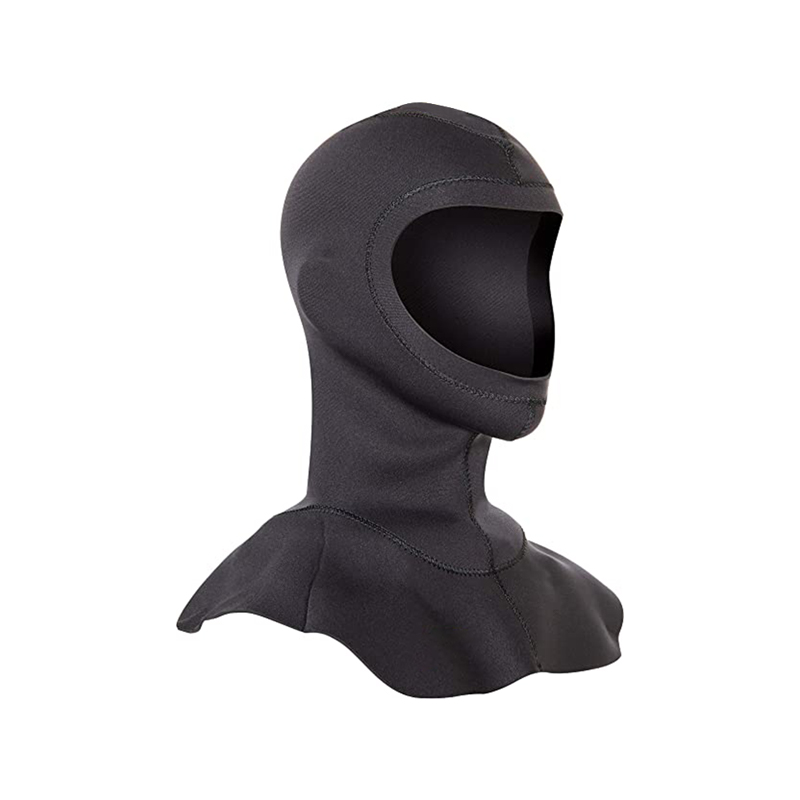
A cold water full coverage hood with shoulder bib is a neoprene head covering that extends down over the shoulders and chest instead of ending at the neckline like a standard dive hood. This extended bib tucks under or over a wetsuit, drysuit, or vest, creating a sealed barrier that prevents cold water from flushing in and out around the neck and collarbone area. For divers, surfers, and open-water swimmers working in low temperatures, this single piece of gear addresses one of the most persistent sources of heat loss in cold water exposure.
Preventing Water Flushing at the Neck Seal
Standard hoods that stop at the neck often create a weak seal where cold water can enter and circulate between the suit and the skin, a process commonly called flushing. Every time fresh cold water replaces the layer the body has warmed, heat is lost rapidly. A shoulder bib extends the neoprene coverage well past this vulnerable zone, layering directly under the wetsuit collar or drysuit neck seal so there is no exposed gap for water to move through.
Why the Neck and Shoulders Are High-Risk Zones
The neck and upper shoulders sit close to major blood vessels, including the carotid arteries, which carry warm blood close to the skin's surface. Cold exposure in this area accelerates core temperature drop faster than exposure on the limbs or torso, making the shoulder bib design a targeted solution rather than a general comfort feature.
Reducing Cold Shock Response
Sudden cold water contact with the neck and upper chest can trigger an involuntary gasp reflex and rapid breathing known as cold shock response, which is dangerous when it happens underwater or during initial water entry. By covering this area before submersion, a full coverage hood with shoulder bib reduces the surface area exposed to the initial temperature shock, helping divers maintain controlled breathing during entry and descent.
Improving Layering Compatibility with Suits
One of the most practical functions of the shoulder bib is how it interacts with other exposure protection layers. Because the bib can be worn under a wetsuit or over a base layer and under a drysuit, it closes gaps that would otherwise exist between separate pieces of gear.
Wearing Under a Wetsuit
When worn underneath a wetsuit jacket or steamer, the bib sits against the skin and the wetsuit collar closes over it, creating a double layer of neoprene across the shoulders. This is common in freediving and surfing applications where extra core warmth is needed without adding a full separate hood.
Wearing Over a Base Layer with a Drysuit
In drysuit diving, the bib is typically worn over a thermal base layer and under the drysuit neck seal, reducing pressure points from the latex or neoprene seal directly contacting bare skin while still preserving the watertight seal integrity.
Comparing Hood Types by Coverage and Use Case
Choosing between a standard hood and a full coverage hood with shoulder bib depends heavily on water temperature and activity type. The table below outlines how coverage level typically maps to use case.
| Hood Type | Typical Water Temp | Best Use Case |
| Standard Neck Hood | 55°F and above | Recreational surfing, mild dives |
| Full Coverage Hood with Shoulder Bib | 45°F and below | Cold water diving, ice diving, winter surfing |
| Bib with Chest Zip Compatibility | Below 40°F | Technical drysuit diving |
Material Thickness and Its Effect on Function
The thermal effectiveness of the bib depends heavily on neoprene thickness and lining. Thicker neoprene, typically in the 5mm to 7mm range, offers stronger insulation but reduces flexibility around the neck, which can affect head mobility for divers checking gauges or scanning surroundings. Thinner options around 3mm sacrifice some warmth for better range of motion, making them more suitable for surfers who need to turn their heads frequently.
Lining and Skin Contact
A smooth-skin or plush lining against the neck and shoulders reduces chafing during long sessions, which becomes especially important when the bib is worn directly against skin under a wetsuit rather than over a base layer.
Key Functional Benefits Summarized
The core functions of a cold water full coverage hood with shoulder bib can be grouped into a few clear categories that directly affect performance and safety in cold water.
- Eliminates the gap between hood and suit collar to stop water flushing
- Protects high heat-loss zones around the neck and upper chest
- Reduces cold shock response during initial water entry
- Improves compatibility and layering with wetsuits and drysuits
- Reduces chafing from direct seal contact against bare skin
Choosing the Right Hood for Your Activity
Selecting the right full coverage hood with shoulder bib comes down to matching neoprene thickness and lining to water temperature and the type of suit it will pair with. Divers working in near-freezing water or under ice benefit most from thicker neoprene and a bib designed for drysuit compatibility, while surfers and freedivers in moderately cold conditions may prioritize a thinner, more flexible bib that maintains head mobility. Understanding these functional distinctions ensures the hood performs as intended rather than simply adding bulk without addressing the actual points of heat loss.
LET’S DEVELOP YOUR NEXT NEOPRENE PRODUCT LINE
Quick Links
Product Categories
Contact Us
-
 Email: postmaster@yihengsport.com
-
 Mobile: +86-13564100539
-
 No. 480 Jiangping Road, Madian, Binjiang Town, Taixing City, Taizhou City, Jiangsu Province, China.
Copyright © Jiangsu Yiheng Sports Products Co., Ltd. All Rights Reserved
China Wetsuit Manufacturer Neoprene Fabric Manufacturer
