

 Language
 English
  中文简体
中文简体  日本語
日本語  русский
  Español
  عربى
عربى 
Aug, 25, 2026
What Are the Applications of SCR Neoprene Fabric Laminated Nylon Jersey?
Understanding SCR Neoprene Fabric Laminated Nylon Jersey
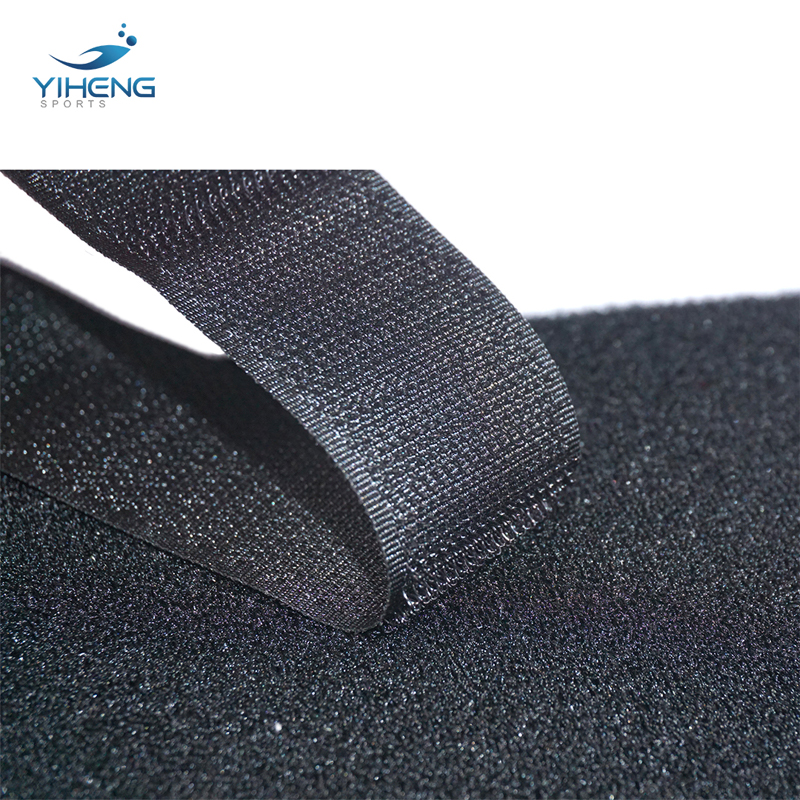
SCR neoprene fabric laminated nylon jersey is a composite material built from a closed-cell SCR foam core, made from a styrene-chloroprene rubber blend, bonded to a stretch nylon jersey fabric on one or both sides. This lamination process combines the flexibility and thermal insulation of the foam core with the durability, smooth finish, and printability of the nylon jersey layer. Manufacturers producing wetsuits, protective gear, and water sports apparel rely on this material because it strikes a practical balance between stretch, buoyancy, and surface strength that raw foam alone cannot offer.
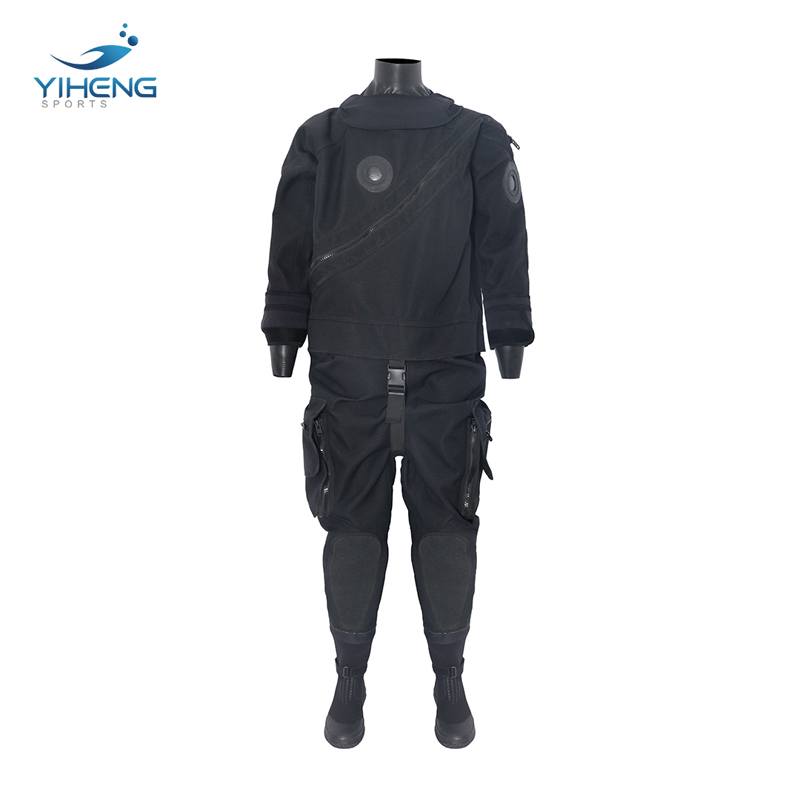
Core Application in Diving and Freediving Wetsuits
The most established use of SCR laminated nylon jersey is in full wetsuit construction for scuba diving and freediving. The closed-cell structure of SCR foam traps air bubbles that provide both insulation and mild buoyancy, while the elongation rating of 320% or higher allows the fabric to stretch with the diver's movement without losing its shape after repeated use.
Why Thickness Selection Matters for Divers
Wetsuit manufacturers select thickness based on the target water temperature and dive duration. Thinner sheets around 2mm to 3mm suit warm water diving where flexibility and reduced bulk matter most, while thicker sheets from 5mm to 9mm are used for cold water and deeper dives where thermal retention becomes the priority.
| Thickness | Typical Water Temp | Common Product |
| 2mm–3mm | 75°F and above | Snorkeling suit, tropical dive suit |
| 4mm–5mm | 65°F–75°F | General freediving suit, surfing suit |
| 6mm–7mm | 55°F–65°F | Cold water diving suit |
| 8mm–9mm | Below 55°F | Deep cold water, protective panels |
Application in Surfing and SUP Wear
Surfing suits and stand-up paddleboard wear demand a different balance than diving suits, favoring flexibility and abrasion resistance over pure thermal performance. The nylon jersey lamination provides a tougher outer surface that resists board rash and repeated paddling friction, while the SCR foam core maintains enough stretch for the wide range of shoulder and torso movement required during paddling and wave riding.
Single-Side vs Double-Side Lamination for Surf Products
Double-side laminated jersey is typically used for the outer body panels of surf suits because both surfaces need to resist water absorption and abrasion equally. Single-side laminated material, with one exposed foam surface, is sometimes used in interior panels or seam-taped areas where a smooth, low-friction inner lining is preferred against the skin.
Use in Neoprene Protective Gear
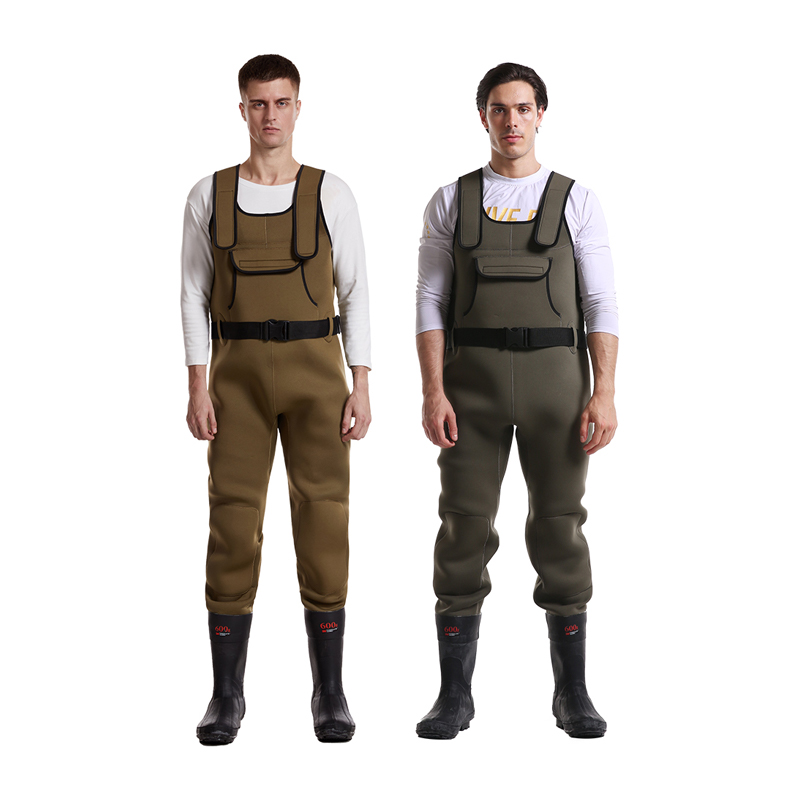
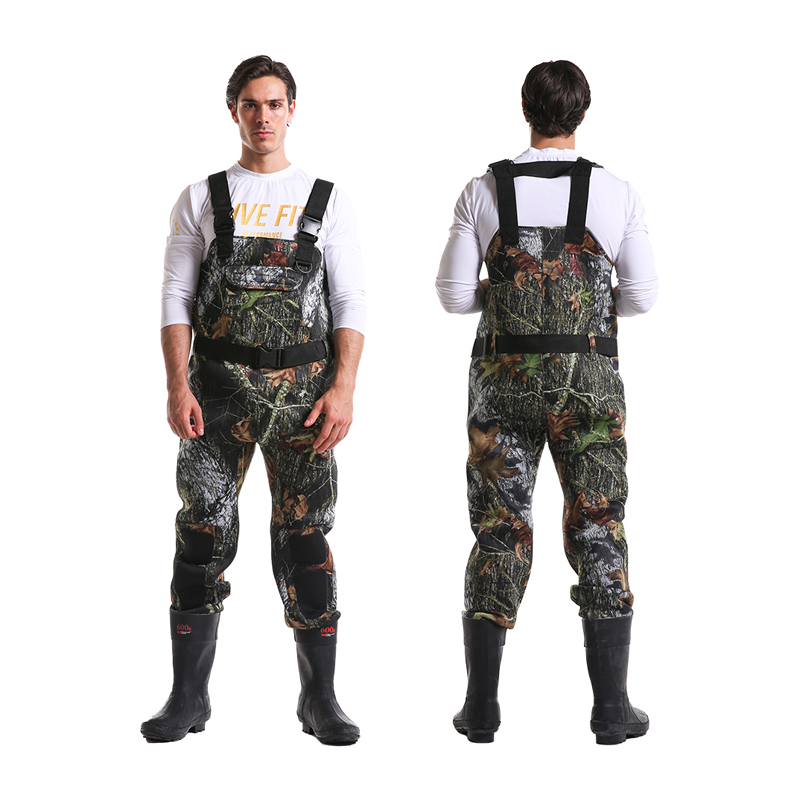
Beyond full-body suits, SCR laminated nylon jersey is widely applied in neoprene protective gear such as knee pads, elbow sleeves, ankle supports, and impact padding for water sports equipment. The material's hardness range of 32 to 38 Shore A allows manufacturers to select a firmness level that balances cushioning with flexibility, depending on whether the product needs to absorb impact or simply provide compression support.
- Knee and elbow pads for watersports and diving protection
- Ankle and wrist support sleeves requiring stretch and compression
- Padded panels for wetsuit reinforcement at high-wear zones
- Equipment bag padding and gear case lining
How Color and Custom Finishing Affect Product Applications
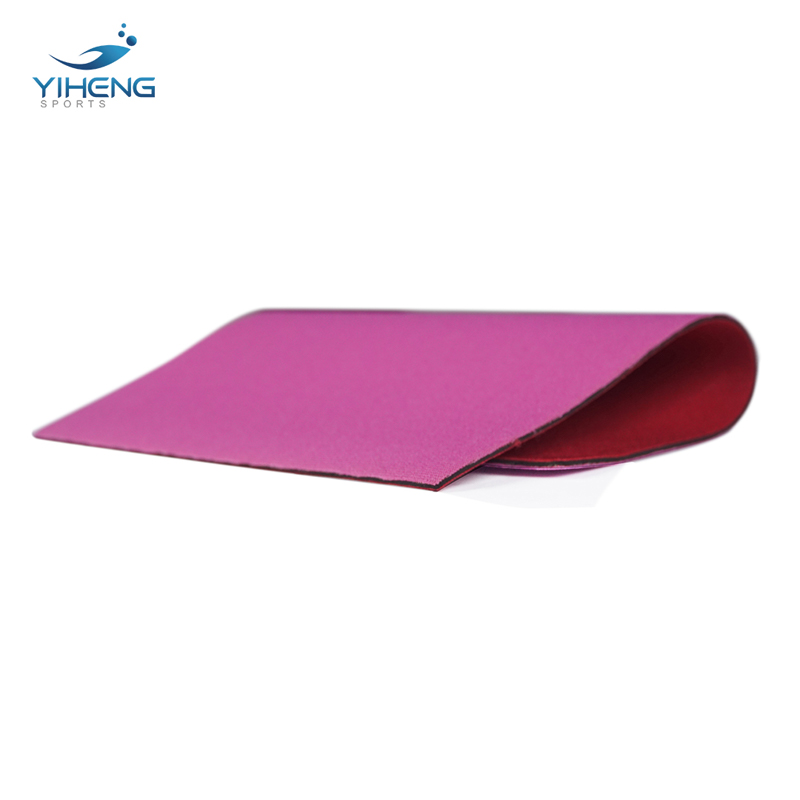
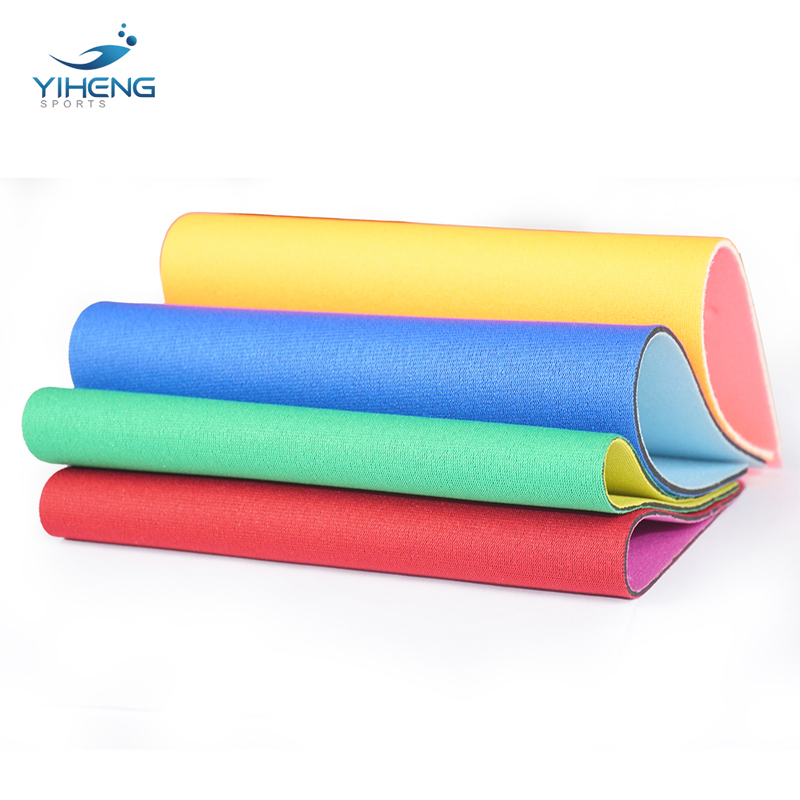
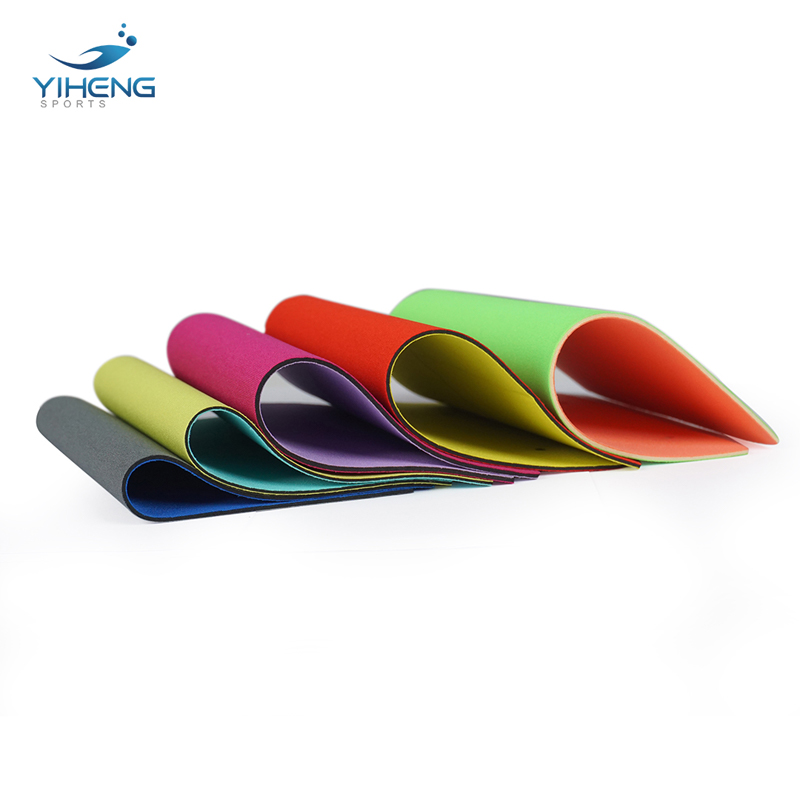
Standard black SCR laminated jersey remains the default choice across most wetsuit and protective gear applications due to its cost efficiency and compatibility with existing production lines. However, custom colors become relevant for bulk orders targeting branded product lines, youth or recreational suits where visibility and style matter, or SUP wear where brands often differentiate through color panels and logo placement.
Considerations for Bulk Custom Color Orders
Because custom coloring typically requires dedicated production runs, manufacturers should plan bulk orders around minimum quantity requirements and confirm color consistency through sample testing before committing to full production, particularly when matching colors across multiple fabric batches for a single product line.
Sourcing Considerations for Manufacturers and Brands
When sourcing SCR neoprene fabric laminated nylon jersey for production, buyers should evaluate more than just thickness and color. Sheet size, roll length, and packing method directly affect cutting efficiency and shipping logistics, especially for factories running automated cutting processes that require consistent roll dimensions.
- Confirm standard sheet size compatibility with existing cutting patterns
- Request sample testing before committing to bulk thickness selection
- Verify elongation and hardness specs match the intended product's flex requirements
- Plan lead time around sample confirmation, typically 7 to 15 working days after approval
Matching Material Specifications to End-Product Requirements
Selecting the right SCR laminated nylon jersey ultimately depends on aligning thickness, hardness, and lamination type with the specific demands of the final product, whether that is a cold water diving suit, a lightweight snorkeling suit, or a padded protective sleeve. Buyers who request samples across a few thickness and hardness combinations before finalizing bulk orders typically achieve better product performance and fewer downstream quality issues, since real-world stretch and thermal behavior can vary from spec sheets once the material is cut and sewn into finished garments.
LET’S DEVELOP YOUR NEXT NEOPRENE PRODUCT LINE
Quick Links
Product Categories
Contact Us
-
 Email: postmaster@yihengsport.com
-
 Mobile: +86-13564100539
-
 No. 480 Jiangping Road, Madian, Binjiang Town, Taixing City, Taizhou City, Jiangsu Province, China.
Copyright © Jiangsu Yiheng Sports Products Co., Ltd. All Rights Reserved
China Wetsuit Manufacturer Neoprene Fabric Manufacturer
